Film and Death
Film and Death
  • About
    • Background and key aims
    • Overview
    • Team
    • Advisory Board
    • Related projects
    • References
  • Film-Phil Seminars
  • Knowledge Map
  • Outreach
    • Conferences
    • Reading Groups
    • Media
  • Publications
    • Articles
    • Books
  • VIDEOS
  • Blog
  • Job openings
  • Contact

Blog

Tags
Aesthetics Alain Resnais Alfred Hitchcock Animation anime Anna Elsner Anti-image Architecture and Cinema Artistic Studies Bande Dessinée Bárbara Bergamaschi Béla Tarr Bernd Herzogenrath Bill Morrison Book Discussion Byron Davies Call Call for Papers Calls Catherine Malabou Catherine Wheatley Cátia Rodrigues Chantal Akerman Christian Petzold Christine Reeh-Peters Cinema Journal of Philosophy Cinema Studies CJPMI Conceptual Knowledge Map Conferences Corey P. Cribb Cristóbal Escobar Daniel Conway David Ferragut David H. Fleming David Lynch Davide Sisto Death and Technology Death-Image Deleuze Derrida Disappearence End-of-life care Events Farshad Zahedi Félix Guattari Female Biopic FIlm Film and Death Film Philosophy Film Studies Film-Phil Seminar Gilles Deleuze Grief Gülce Zeynep Bektaş Ingrid Rodrigues Gonçalves Jacques Derrida Jaime Pena Jakob A. Nilsson James Williams Jamieson Webster Japan Jean-Marc Rochette Jonathan Glazer Kanen Barad Lacrimae Rerum Lucas Ferraço Nassif Lucy Bolton Manoel de Oliveira Marc Cerisuelo Marco Grosoli Media Studies Michael Cholbi Michael Haneke Mortality Muhammad Haris Nélio Conceição New Queer Cinema Outi Hakola Palliative Care Paolo Taviani Patrícia Castello Branco Patricio Guzmán Pedro Inock Philosophy of Cinema Philosophy of Death Posthumanism Publications Queer Post-Cinema Queer Studies Reading Group Research Grant Robert Sinnerbrink Salomé Lamas Seán Cubbit Short-Term Residencies Slavoj Žižek Slow Cinema Stanley Cavell Star Biopic Susana Viegas Swan Songs Testament Films Thanatology Thomas E. Wartenberg Thomas Lamarre Tiago Cravidão Time-Image Vanessa Freerks Vasco Baptista Marques Video Visiting Researcher Walter Benjamin
27/03/2026

Lucas Ferraço Nassif’s Interview for TV Scholar

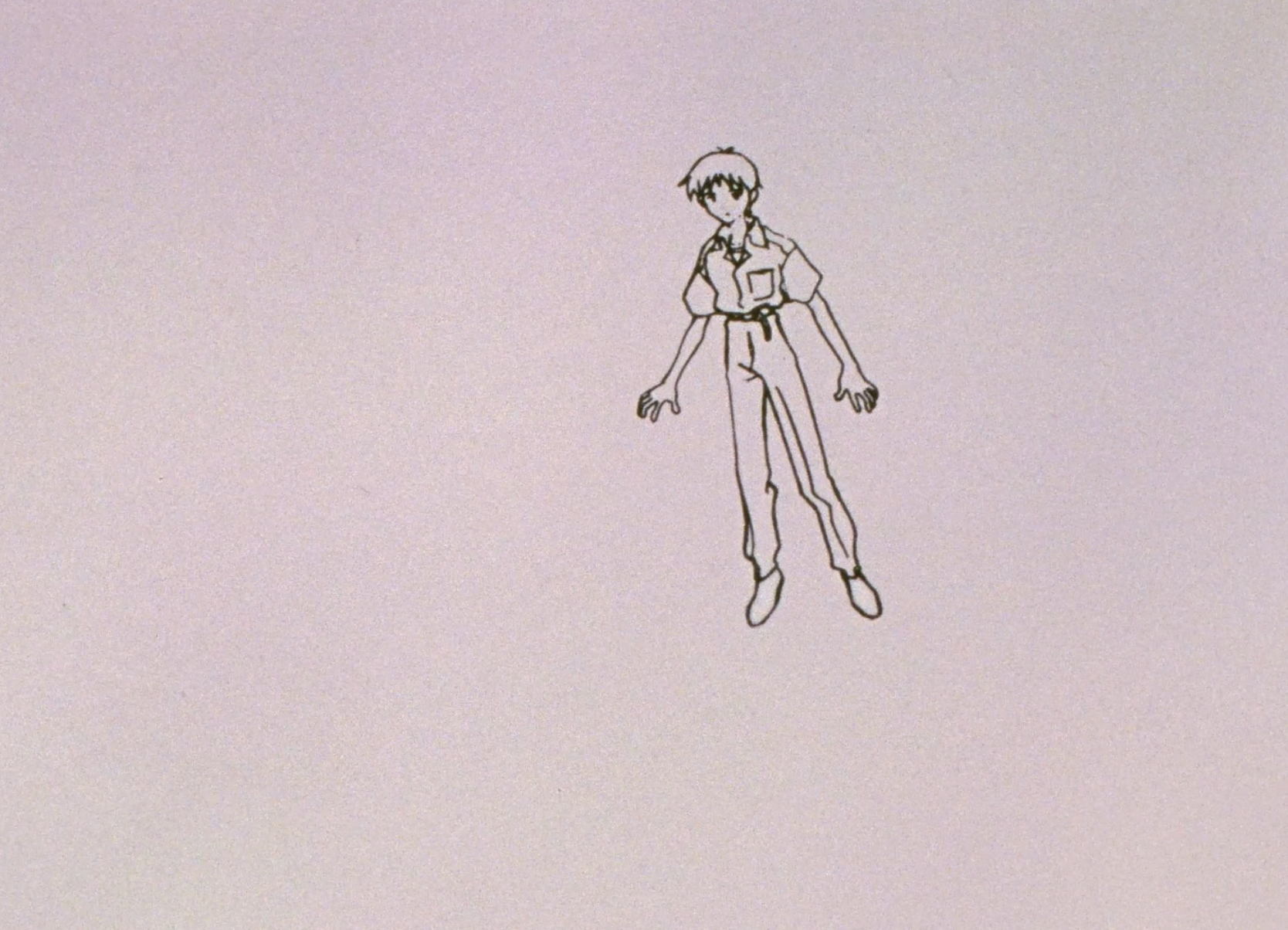
A new intervew with Lucas Ferraço Nassif for TV Scholar is out now! In this interview, Lucas Ferraço Nassif reflects on his work at the intersection of cinema, television, and philosophy, outlining a research practice shaped by psychoanalysis and experimental media. Drawing on his book Unconscious/Television, he explores how TV and anime operate as sites […]
06/03/2026

Presenting Film and Death: A Conceptual Knowledge Map

We are pleased to announce the launch of Film and Death: A Conceptual Knowledge Map, a dataset developed within the FILM AND DEATH project. Guided by the focus question “How does film make us think about death?,” the map visualizes the network of relations between films, filmmakers, formal strategies, concepts, and thematic subjects, highlighting their philosophical […]
05/03/2026

Lucas Ferraço Nassif at the Congreso Internacional Sobre Psicoanálisis y Arte

Our post-doctoral fellow, Lucas Ferraço Nassif, will be present at the Congreso Internacional Sobre Psicoanálisis y Arte: Al Encontro de lo Real, on March 17-20, at the Facultad de Filosofía, Universidad Complutense de Madrid. His presentation is titled “Contemporary Post-Lacanian Psychoanalysis: Shimmering Unconscious and Death-Images”. ABSTRACT How do moving images and sounds operate analyses of […]
24/02/2026

New publication by Lucas Ferraço Nassif for Alea: Estudos Neolatinos

We are very pleased to announce that Lucas Ferraço Nassif‘s new open-access article for Alea: Estudos Neolatinos has just been published! Titled “Metallic Affects in Hiroshima mon amour: The Unconscious via Jacques Lacan, Gilles Deleuze, and Félix Guattari”, Lucas Ferraço Nassif’s peer-reviewed article is a frontier work that intersects psychoanalysis and schizoanalysis. The text discusses […]
1234…6
Hosted by
Supported by

Funded by the European Union (ERC, FILM AND DEATH, 101088956). Views and opinions expressed are however those of the author(s) only and do not necessarily reflect those of the European Union or the European Research Council Executive Agency. Neither the European Union nor the granting authority can be held responsible for them.

DESIGN